- Dec 05, 2025
- 0 Read
- 4 views
- 0 comments
Get Newsletter
Loading

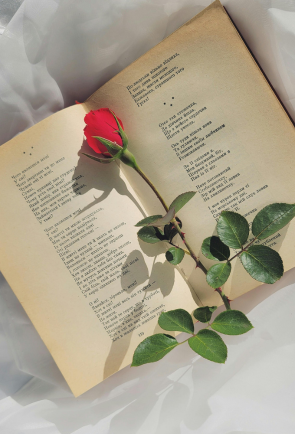
The ghazal, a poetic form with origins in 7th century Arabic verse, has evolved into one of the most refined and emotionally complex poetic traditions in Urdu, Persian, and other South Asian literatures. Characterized by its strict metrical structure and thematic unity, each ghazal is a masterpiece of controlled expression.
Traditional ghazals follow specific rules: each couplet (sher) must stand independently while contributing to the overall theme, the opening couplet (matla) establishes the rhyme scheme, and the final couplet (maqta) often includes the poet's pen name. This structure creates a delicate balance between constraint and creative freedom.
This exploration delves into ghazal's technical aspects, its evolution across cultures, and how this ancient form continues to express universal emotions of love, loss, and longing with unmatched elegance and precision.
Your email address will not be published. Required fields are marked*
{content}
🔍 Search Articles
📰 News Article
⭐ Popular Post




Explore our most popular topics and discover content that interests you

















No comments yet. Be the first to comment!